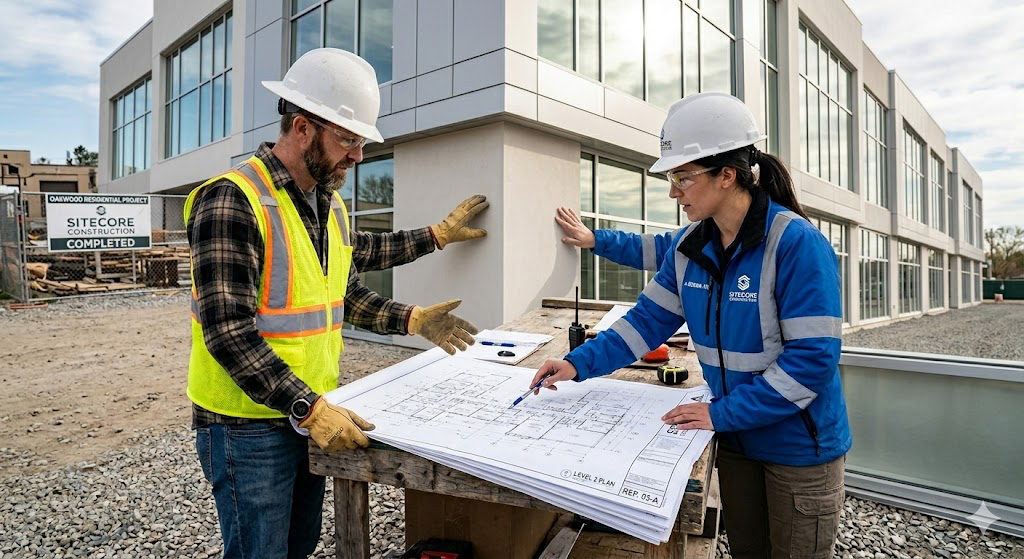
A building is finished. The crew is gone. The contractor has been paid. And then, three months later, the ceiling starts to crack. Who pays for that? If there is a warranty bond in place, the answer is clear — and it is not the project owner.
What Is a Warranty Bond?
A warranty bond is a type of surety bond that guarantees a contractor will correct defects in workmanship or materials discovered after a construction project is completed. It protects the project owner during a defined post-completion period — commonly called the warranty period — by ensuring that any qualifying defects will be repaired without the owner having to absorb that cost alone.
A warranty bond is also widely known as a maintenance bond, and the two terms are fully interchangeable in the industry. In some contracts, it may also appear as a guarantee bond. Regardless of what it is called in the contract language, all three provide exactly the same protection. The name used simply reflects how the obligee has written the requirement into the agreement.
Why Warranty Bonds Exist
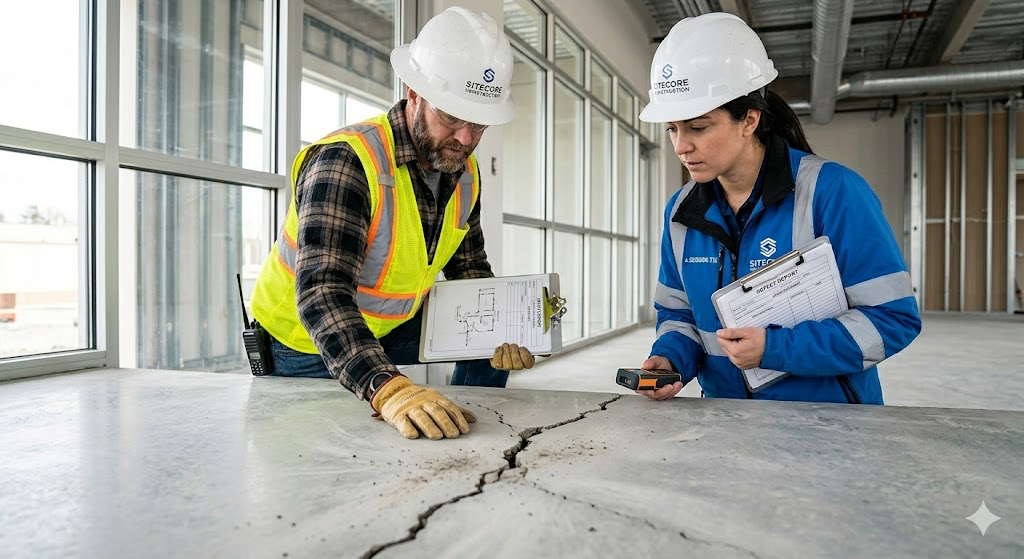
Construction defects do not always surface immediately. A roof may hold through the first season and fail in the second. A concrete floor may look flawless at completion and begin to crack six months after occupancy begins. A cooling system may run perfectly during commissioning and develop a leak by month nine. These are not hypothetical scenarios — they are the everyday reality of construction quality risk, and they explain exactly why warranty bonds were developed.
The modern framework for construction bonding traces back to the Heard Act and the Miller Act, federal laws passed in the early twentieth century to protect government project owners from contractors who delivered poor work and then disappeared. The warranty bond extended that protection beyond the completion date, creating a mechanism for accountability that outlasted the handshake at project closeout.
Today, warranty bonds are required on most state and federally funded construction projects. Municipalities commonly require them to guarantee that public improvements in new developments — sidewalks, utilities, roadways — are built to code and remain defect-free for a defined period. Larger private projects increasingly require them as well, particularly where lenders or sophisticated owners want protection beyond what a performance bond provides.
The Three Parties in a Warranty Bond
Every warranty bond is a three-party agreement.
| Party | Role |
|---|---|
| Principal | The contractor who purchases the bond and is obligated to correct defects |
| Obligee | The project owner or government entity requiring the bond and protected by it |
| Surety | The bonding company that guarantees the contractor’s warranty obligations |
The contractor purchases the warranty bond from the surety. The bond is then held by the project owner. If defects appear during the warranty period and the contractor fails to correct them, the obligee files a claim. The surety investigates, and if the claim is valid, the surety either arranges for another contractor to fix the defects or pays the owner the bond amount. The contractor is then responsible for reimbursing the surety — including interest and fees. This is what makes a warranty bond fundamentally different from insurance: the financial responsibility stays with the contractor throughout.
One important timing distinction separates the warranty bond from most other construction bonds. Unlike bid bonds, performance bonds, and payment bonds — which are issued before or at the start of a project — warranty and maintenance bonds are typically not issued until after the job is completed and accepted.
What the Warranty Bond Actually Covers
The warranty bond covers defects in workmanship and defects in materials during the specified warranty period. When a claim is submitted, the surety investigates before paying. Not every defect automatically results in a payout. If the contractor followed the plans and specifications in every detail and the defect originated from the architect’s design rather than the contractor’s execution, the contractor is generally not liable under the bond. But if the surety’s investigation finds that the defect resulted from substandard materials or poor workmanship, the obligee is compensated.
This distinction matters. Warranty bonds do not cover design errors, owner-caused damage, or normal wear and tear. They cover failures that are directly attributable to how the contractor built the project.
Warranty Period: How Long Does Coverage Last?
The length of a warranty bond is set by the contract. The most common terms are 12, 18, or 24 months, though they can extend further depending on project type and owner requirements. Some sureties will write coverage for periods beyond two years, but many are hesitant to go significantly further, and annual renewal premiums apply for extended periods.
There is a practical clarification worth understanding here: according to the Engineers Joint Contract Documents Committee (EJCDC), a standalone warranty bond is typically only needed when the correction period exceeds one year after substantial completion. When the warranty period is the standard one year and a performance bond is already in place, a separate warranty bond is often not required — the performance bond’s correction period coverage handles it. It is when a project owner wants extended post-completion protection beyond that standard term that a standalone warranty bond becomes necessary.
For specialty construction — HVAC systems, electrical infrastructure, or complex mechanical installations — project owners may want longer coverage periods precisely because failure modes in those systems often take time to manifest. Swiftbonds can write warranty bond coverage for up to ten years post-construction at nominal annual premiums, making extended protection genuinely accessible for owners who need it.
Warranty Bond vs. Performance Bond: What Is the Difference?
These two bonds are closely related and often confused. They cover two different phases of the same project.
| Bond Type | What It Covers | When It’s Active |
|---|---|---|
| Performance Bond | Completion of the project according to contract terms | During construction |
| Warranty Bond | Correction of defects in workmanship or materials | After construction is complete |
A performance bond expires when the project is finished and accepted. A warranty bond begins at that same moment. Together they create an unbroken chain of protection — from the first day of construction through the end of the post-completion warranty period.
Because both bonds are often required on the same project, it makes sense to work with a single surety provider for both. Using the same bonding company for performance and warranty coverage simplifies the process and avoids gaps in protection.
How Much Does a Warranty Bond Cost?
Warranty bond premiums are a fraction of what a performance bond costs for the same project. For applicants with strong credit, the premium typically falls between 1% and 4% of the total bond amount per year.
As a practical example: a $50,000 warranty bond would carry an annual premium between $500 and $2,000 depending on credit profile, project type, and bond term.
| Bond Amount | Premium Range (1–4%) | Annual Cost |
|---|---|---|
| $50,000 | 1%–4% | $500–$2,000 |
| $100,000 | 1%–4% | $1,000–$4,000 |
| $250,000 | 1%–4% | $2,500–$10,000 |
The specific rate is determined by several factors.
| Factor | Impact on Premium |
|---|---|
| Credit score | Primary driver for most warranty bond approvals |
| Financial statements | Required for larger bond amounts |
| Work history and experience | Strong track record lowers perceived risk |
| Project type and complexity | Higher-risk work carries higher premiums |
| Warranty period length | Longer terms mean higher annual cost |
| Bond amount | Larger bonds may see tiered rate structures |
Contractors with poor credit are not automatically disqualified. Specialty programs exist for applicants with credit challenges, and some surety providers have dedicated pathways to help contractors get bonded even when standard approval is difficult.
How to Get a Warranty Bond
Getting a warranty bond is a straightforward process when you work with a knowledgeable provider. Here is how it works at Swiftbonds:
Apply. Submit an application providing basic information about the project, the required bond amount, and the warranty period. For smaller bonds, credit-based approval may be all that is needed to get started.
Get your quote. The team reviews the application and returns a premium quote. Larger bonds or longer warranty periods may require supporting documentation such as financial statements, work history, and project details — and Swiftbonds walks applicants through exactly what is needed.
Pay your premium. Once the quote is accepted, the annual premium is paid. The warranty bond is then issued and in force for the duration of the warranty period.
File the bond. The issued bond is filed with the project owner or obligee as required by the contract. Coverage begins and the contractor’s post-completion obligations are formally backed.
Swiftbonds LLC
2025 Surety Bond Agency of the Year
4901 W. 136th Street
Leawood KS 66224
(913) 214-8344
https://swiftbonds.com/
Frequently Asked Questions
Is a warranty bond the same as a maintenance bond?
Yes. Warranty bond and maintenance bond refer to the same product. Some contracts may also call it a guarantee bond. The name used depends on how the obligee has written the bond requirement into the contract, but the protection provided is identical in all three cases.
When is a warranty bond required?
Warranty bonds are required on most state and federally funded construction projects. Municipalities frequently require them for public improvements in new developments. Larger private projects and commercial contracts increasingly include warranty bond requirements even when no law mandates them. Whether one is needed depends on the contract — the obligee specifies the requirement during the contract-writing phase.
Do I need a warranty bond if I already have a performance bond?
Sometimes yes, sometimes no. If the warranty period is the standard one year after substantial completion and a performance bond is already in place, a separate warranty bond is often not required. When the contract calls for a warranty period longer than one year, a standalone warranty bond is typically necessary to cover the extended correction period.
What happens if a defect is found and the contractor has gone out of business?
If the contractor is no longer available to perform warranty repairs — whether due to insolvency, closure, or any other reason — the surety steps in. The surety will arrange for a qualified replacement contractor to correct the defects during the warranty period. This is one of the most important functions a warranty bond serves: it guarantees that the owner’s protection does not depend on the continued existence of the original contractor.
What does the surety investigate when a claim is filed?
The surety investigates whether the defect is attributable to the contractor’s workmanship or materials. If the defect arose from the contractor’s failure — substandard materials, poor execution, code violations — the claim is valid and the surety pays. If the defect originated from the architect’s design or the owner’s actions, the contractor is generally not liable under the warranty bond. Sureties take this investigation seriously and may use inspectors, engineers, or legal counsel before settling a claim.
Can a contractor with bad credit get a warranty bond?
Yes, in many cases. While standard approval programs require good credit, specialty programs exist specifically for contractors with credit challenges. Disqualifying factors vary by state and can include active tax liens, prior judgments, or unresolved bankruptcies, but many contractors with imperfect credit histories can still qualify with the right surety partner.
Conclusion
A warranty bond is the construction industry’s promise that completion is not the end of accountability. For project owners, it means that the building they accepted in good faith will perform as promised — and if it does not, there is a financial backstop already in place. For contractors, it is the final piece of a complete bonding program, demonstrating professional credibility long after the last crew member has left the site. Whether you are a contractor required to post a warranty bond as part of a project contract or a project owner trying to understand what protection you are entitled to, securing the right bond through a reliable source makes the entire post-construction period simpler and safer.
5 Things About Warranty Bonds You Will Not Find on Most Surety Websites
Some warranty bond contracts specifically allow the obligee to accept cash deposits or irrevocable letters of credit as an alternative to a surety bond — meaning the warranty bond requirement can sometimes be satisfied without going through a surety at all, though a bond is generally the more practical and less capital-intensive option for the contractor.
In international construction contracts, warranty bonds are commonly set at 5% to 10% of the total contract value, making them proportionally larger financial instruments in global infrastructure projects than the nominal percentages seen in domestic U.S. residential or light commercial work.
The warranty period for a construction bond is legally distinct from a product warranty or a manufacturer’s warranty. A contractor cannot satisfy a bond-backed warranty obligation by pointing to a supplier’s product warranty — the contractor remains independently liable under the surety bond for the full warranty term regardless of what material manufacturers may or may not cover.
Some states have enacted statutes of repose for construction defects that can actually limit how long a warranty claim can be pursued — even if the warranty bond is still technically in force. Contractors and project owners in states with these laws need to understand how statutory deadlines interact with contractual warranty periods to avoid gaps in protection.
On design-build projects — where a single entity is responsible for both the engineering design and the physical construction — warranty bonds must be carefully worded to address whether the bond covers defects arising from the design component of the work, not just the construction execution, since traditional warranty bonds were written with the assumption that design and construction are separate scopes of responsibility.
Leave a Reply